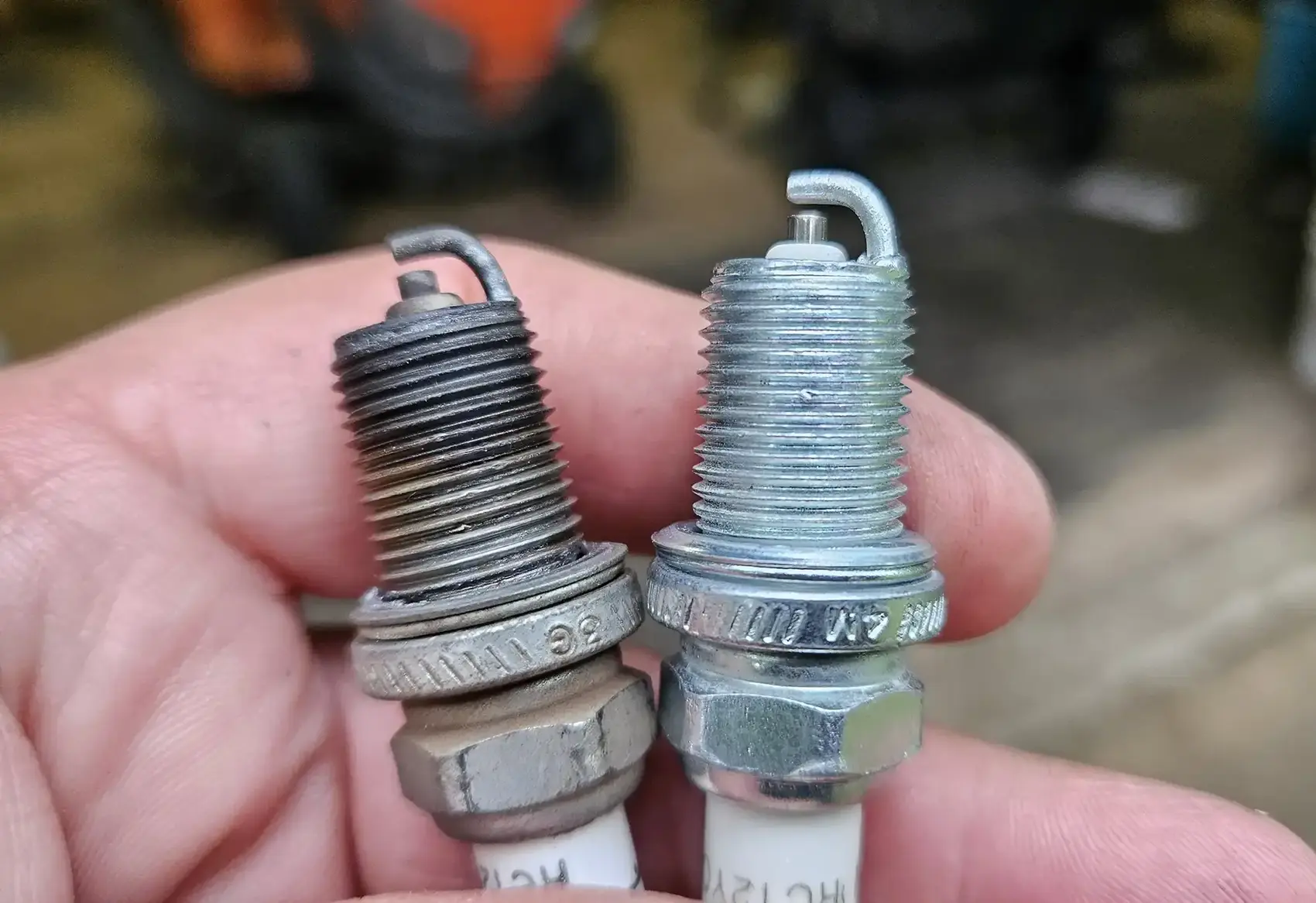
If your lawn mower is acting up—hard to start, sputtering, or just not running like it used to—it might be time to check for worn-out spark plugs. These little parts wear down over time, and knowing when to replace one can save you a lot of hassle.
One thing we've learned: You don’t need to be a mechanic to spot the warning signs. When you pay attention, you'll learn a lot about what’s going on under the hood.
When to Replace a Lawn Mower Spark Plug
“For walk mowers, a good rule of thumb is to replace your lawn mower’s spark plug every 25-50 hours of use or at least once a year, whichever comes first,” shares Wes Bollingmo, channel and product support manager at Toro. “Riding mowers can have that window extended to up to 200 hours, but always consult your owner's manual for specific guidelines. To stay on top of this, keeping a maintenance log can be really helpful.”
That’s a good starting point; however, a spark plug doesn’t always make it to the full 25 or 50 hours. “If the spark plug becomes dirty, worn, or damaged before that time, you’ll likely notice performance issues,” says Bollingmo.
Here are some common signs your spark plug might be going bad:
- Difficulty Starting: If your mower is hard to start or doesn’t start at all, the spark plug could be the culprit.
- Poor Engine Performance: A faulty spark plug can cause engine misfires or rough idling.
- Poor Fuel Efficiency: An inefficient spark can lead to increased fuel consumption.
- Visual Inspection: Remove and check for signs of wear or damage, such as a worn electrode or heavy carbon buildup. Comparing it to a new spark plug can help determine its condition.
“In many cases, a bad spark plug will prevent the mower from starting at all,” notes Bollingmo. “Replacing it is a quick and inexpensive fix that can make a big difference in performance.”
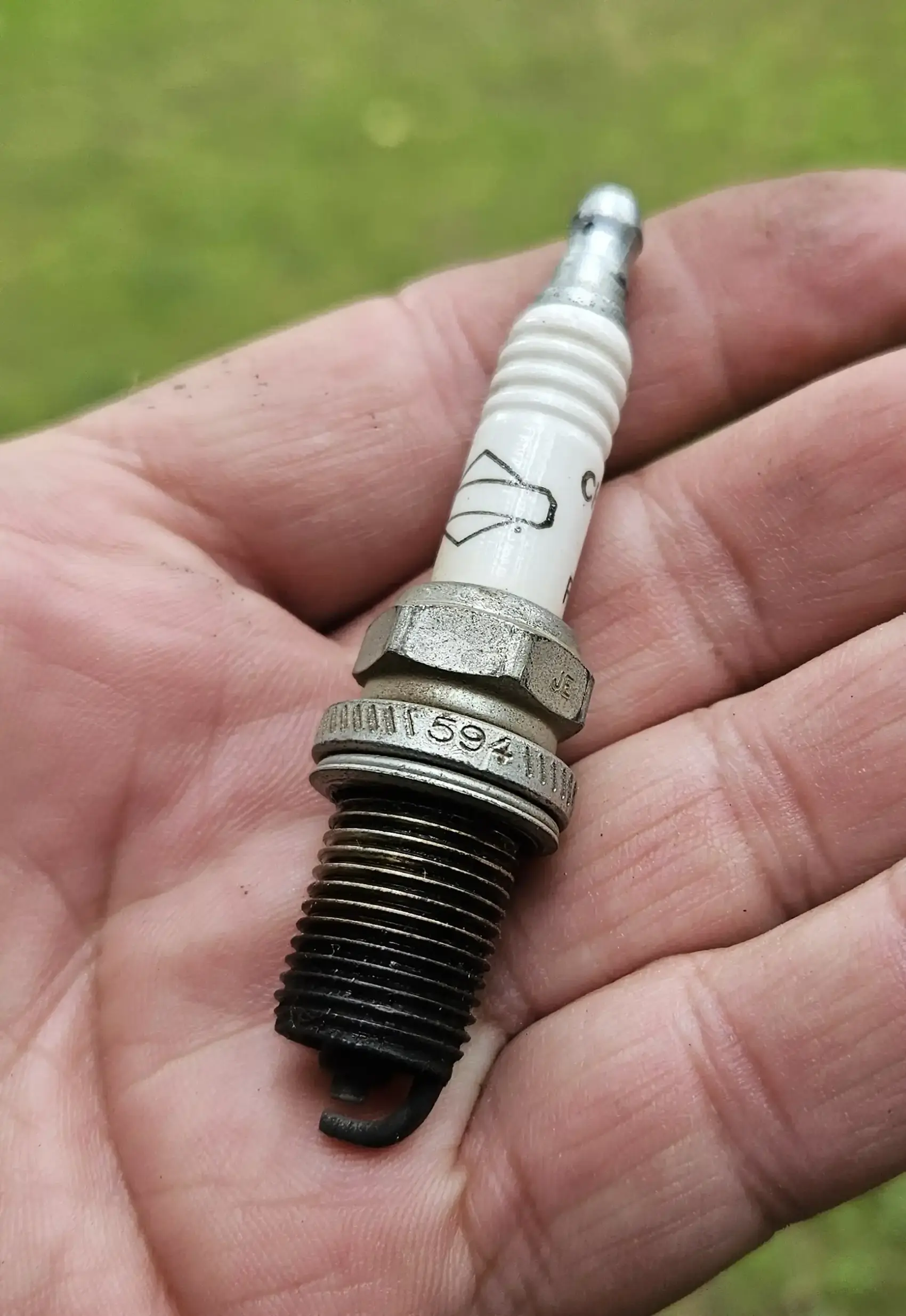
Why Do I Have Black Spark Plugs?
A blackened spark plug usually means something’s off with the engine or the air-fuel mixture. If the tip is dry and black, that could be carbon fouling—caused by a rich fuel mixture, dirty air filter, or excessive idling. Basically, the engine is getting too much fuel and not enough air.
On the other hand, a black, oily spark plug often means oil is leaking into the combustion chamber. That’s a bigger issue. Worn piston rings, valve guides, or valve seals could be the reason, and those parts aren’t as easy to fix and can mean expensive repairs.
If your plug has black deposits, try cleaning or replacing it. Then keep an eye on it. If it blackens again quickly, there’s likely an underlying issue that needs attention.

Do Spark Plugs Actually Go Bad?
They sure do, but it happens over time. They can wear out due to high heat, electrical stress, and fuel combustion byproducts. The center electrode can wear down, and deposits from fuel and oil can build up on the surface, weakening the spark.
Signs that your spark plug is too old include:
- Hard starting. If the mower takes several pulls to start (or won’t start at all) the spark plug may be worn or fouled. A weak spark struggles to ignite the fuel mixture, especially after the mower has been sitting through the winter.
- Rough or uneven engine sound. A mower should run with a steady hum. If it sputters, surges, or sounds uneven, the spark plug may not be firing consistently. That uneven spark can cause the engine to miss cycles while running.
- Visible carbon buildup. Pull the plug and look at the tip. Thick black carbon or oily residue? This usually means the plug has been in the engine too long or isn’t firing cleanly anymore. A dirty plug can weaken the spark and reduce engine performance.
- Poor cutting power. If the mower seems to bog down in grass it normally handles with ease, the spark plug could be part of the problem. A weak spark affects combustion, which reduces the engine’s power output.
- Cracked or worn electrode. Over time, the small metal electrode on the plug slowly wears down. If the gap looks wide or the metal appears damaged, the spark won’t jump properly. That’s a clear sign it’s time for a replacement.
Even if your mower still starts, a worn spark plug can make the engine work harder, run less efficiently, and lead to poor fuel economy. Swapping it out yearly—or more often if needed—keeps your mower running smoother and can even help extend the engine’s life.

FAQ
Do electric lawn mowers have spark plugs?
Nope! Electric lawn mowers don’t use spark plugs. Spark plugs are part of small gas engines, where they create the spark that ignites fuel inside the engine. Electric mowers run on electricity instead of gasoline, so there’s no combustion happening and no spark plug needed. Their motors start with a switch or button that sends power directly from a battery or outlet to the motor.
Why is there oil on my spark plugs?
Oil on a spark plug usually points to a leak in the engine. Common causes include worn valve guides or piston rings. This lets oil seep into the combustion chamber, where it ends up on the spark plug. If you find oil on the plug more than once, it’s a good idea to have the engine checked out by a professional.

Can I clean a spark plug instead of replacing it?
You can clean a spark plug if it’s just a little dirty with carbon deposits, but it’s not always worth it. If the electrode is worn or there’s heavy buildup, cleaning won’t help much. Better off replacing it. A new spark plug is cheap and takes just a few minutes to install. If you’re unsure, replacing it is usually the better move.
