
Feeling pressure to get your yard cleaned up in the spring? Don’t feel too rushed to put your mower back to work. Mowing too early can be stressful for your lawn as it re-emerges after the winter. That said, wait too long [i.e. late spring!] and old, dead blades can block new growth.
For most lawns, the right moment arrives when snow is gone, the ground isn’t soggy, and the grass shows clear signs of growth. And remember: climate and grass type are variables to consider, but the goal is always the same: help the lawn wake up without laying on the pressure of perfection.
Let the Grass Begin to Grow
We don’t follow the calendar (hi from intermittently-blustery NY), but we do watch for signals. Location matters, and so does your grass type.
“For cool season zones it is best to do your first cut/mow directly after cleaning up the debris on your lawn, so sometime in March-April – making sure you wait until all snow is melted, shared Brian Feldman, Senior Director of Technical Operations and Agronomy at TruGreen. “In warm seasons and transition zones, you should wait until the grass begins to grow again, usually around March.”
In other words, the mower shouldn’t come out just because the weather feels warmer. Allowing your lawn to have a few days of steady growth (even if it looks uneven) is better than going at it the first warm weekend in early spring.
One more thing to watch: soil moisture. Early spring ground often stays soft. Mowing when the soil is wet can leave ruts and compact the lawn, which makes it harder for roots to grow.
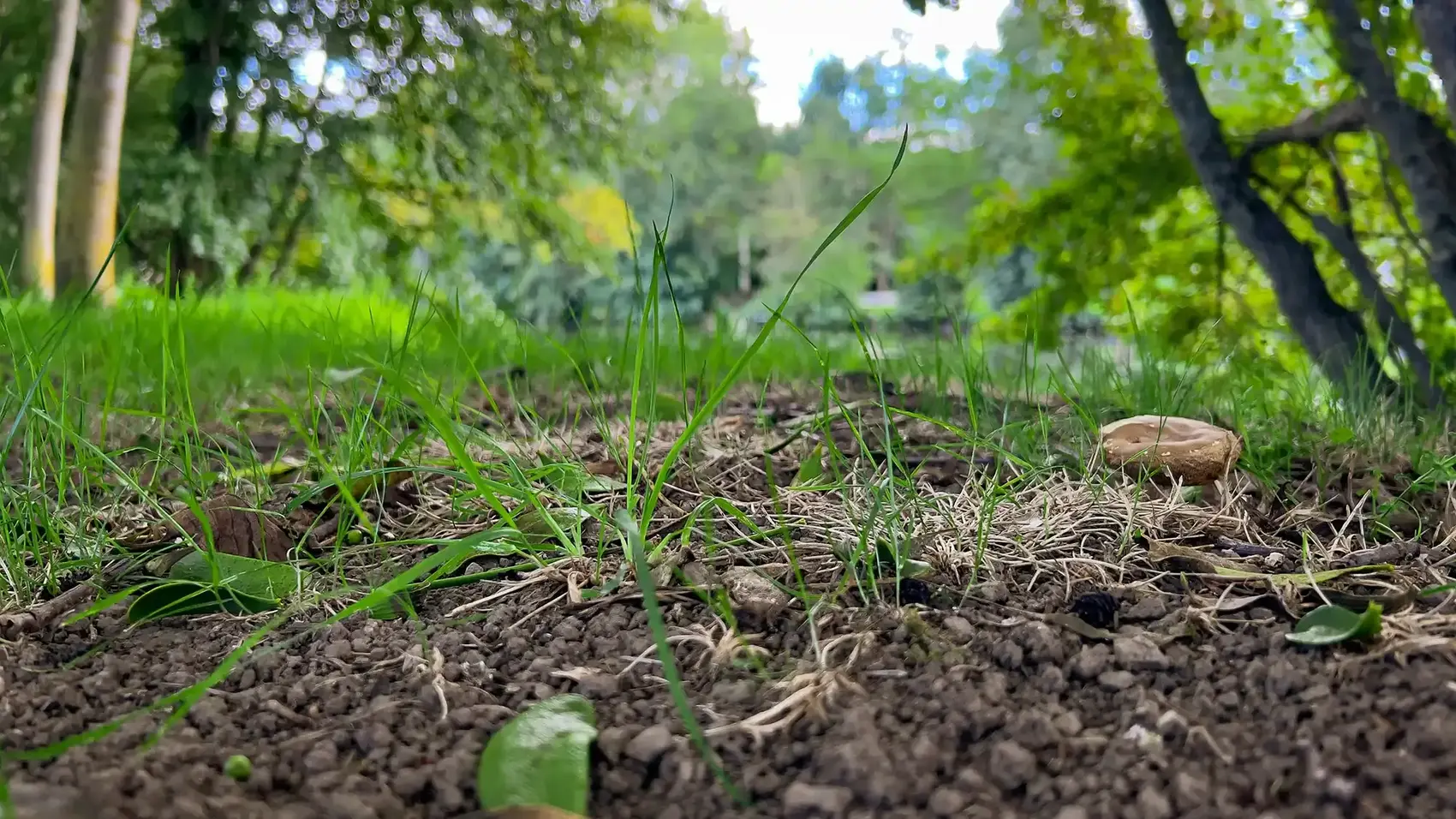
The Real Benefits of Mowing in the Spring
- Clears winter buildup. “The first season cut removes dead blades of grass from the past season, helping to wake up the lawn,” notes Feldman.
- Lets sunlight reach the base. Thick, matted grass can block light from reaching the lower part of the plant. Trimming the lawn opens things up so sunlight and airflow can reach fresh growth near the soil.
- Encourages thicker growth. When grass is lightly trimmed, it often grows outward instead of just upward. That leads to a fuller lawn instead of tall, thin blades that fall over easily.
- Prevents overcutting later. Starting with a light trim keeps growth manageable. ”Once the grass begins growing, make sure to mow it at the correct height and be sure you don’t cut more than a third of the grass’ height during any single mowing,” reminds Feldman.
- Resets the lawn for the season. Think of the first mow as a simple reset. You’re clearing out the old material so fresh green growth has room to take over.
The Best Lawn Height For Your First Mow of the Season
Many people assume the mower height should stay the same all season. Spring is the one time it changes slightly. The first cut is usually a little shorter than the typical growing height.
“For the first mow of the season, you’ll want to mow slightly shorter (roughly ½ inch) than the recommended growing-season height to help remove dormant grass and encourage green-up,” notes Feldman.

That shorter trim clears away leftover brown material without cutting deep into fresh growth. After that first mow, the mower height should go back up to the normal level for your grass type.
Different grasses prefer different heights, but most lawns fall somewhere between 2.5 and 4 inches during the main growing season. The idea is to remove the old layer while still protecting the living grass. Cutting too low—or worse, scalping the soil—can weaken the lawn right when it should be getting stronger.
He also points out that timing still varies by region: “As for when to conduct the first mow of the season, it depends. Cool-season grasses can be mowed after any snow cover melts—usually early spring—while warm-season grasses should be mowed for the first time once the grass starts growing again (usually by mid-March, depending on the region).”
FAQ
Should you rake your lawn before the first mow of spring?
Go for it! Winter leaves behind small branches, leftover leaves, and patches of flattened grass. Clearing debris helps the lawnmower cut evenly and keeps the blades from getting dinged up early in the season. It also exposes the grass to more sunlight and airflow. Heavy dethatching usually isn’t needed in early spring, but a basic cleanup goes a long way.

What happens if you mow too early in the spring?
Cutting too soon can damage grass that hasn’t started growing yet. Dormant grass doesn’t recover quickly from stress, and mowing can tear blades instead of cutting them cleanly. Wet soil also becomes compacted under mower wheels, which limits oxygen reaching the roots.
Waiting until the lawn shows clear growth and the ground has dried a bit prevents those problems and gives the grass a stronger start for the season.
