
This article on Home Living Handbook might contain affiliate links. If you make a purchase through a link on the site, we may earn a commission.
As winter arrives, consider how your entire home will respond to changes in outdoor temperatures. Great insulation makes a huge difference, but crawl spaces are often overlooked.
Winterizing protects against cold temperatures and bad weather. It also improves energy efficiency for the entire home.
Benefits of Winterization Include:
- Improve HVAC system energy efficiency
- Promote moisture control
- Reduce heating costs
- Prevent frozen pipes
- Improve indoor air quality
- Reduce mold and mildew
- Increase indoor comfort
- Eliminate cold floors
- Energy cost savings
Just like other areas of your home, inadequate insulation during cold weather leads to air leaks and heat loss, mold growth on floor joists, wet floors, frozen water lines, and high heating bills. Keep the living area comfortable by following these tips.
1. Inspect for Moisture and Water Issues
Before winter sets in, inspect the area beneath your home for signs of moisture. Look for standing water, leaks, or general dampness on the ground and on the crawl space foundation walls.
Many moisture issues or water damage can be traced back to soil grading and gutter issues. "Gutter downspouts should extend approximately 6 to 10 feet away from the home, but depending on soil type and the yard slope, they may need to be extended further," explains Groundworks National Structural Installation Trainer, Clint Dixon. "Permanent gutter guard systems are often a safe and easy solution for homeowners as they are designed to collect the roof water, drain it away from the home, and block leaves, sticks, and other debris from entering the gutter."

2. Check Ventilation
Proper ventilation = a healthy crawl space. Check that air vents are clear of debris and open to allow air circulation.
Note that in extremely cold climates, closing crawl space vents during winter months may be advisable to prevent pipes from freezing.
3. Improve Crawl Space Sealing
Crawl spaces can be entry points for pests seeking warmth in the winter. Inspect and seal any potential openings, including gaps around pipes, damaged vent covers, and the seal around the crawl space door. A flexible sealant or weatherproofing strips can help.
4. Inspect and Improve Insulation
Insulating regulates temperatures, prevents drafts, and reduces energy costs.
If you have existing insulation (whether it's fiberglass or rigid foam insulation), check for signs of mold caused by excessive moisture. Replacing insulation materials and adding vapor barriers can help reduce mold growth and damage.
If your space lacks proper insulation, make a point to improve it:
- A closed-cell foam insulation kit creates a moisture-resistant barrier that can also boost your home's structural integrity.
- Add traditional fiberglass insulation on the crawl space ceiling. Insulating floor joists (as well as rim joist insulation) helps to keep the floors in your house warm by reducing drafts. Spray foam insulation also creates a draft-free environment, but it's more expensive.
- Rigid foam board insulation is great for walls. It makes a big difference in an uninsulated basement.

5. Look for Uninsulated Pipes
Frozen pipes can lead to expensive repairs. Inspect your exposed pipes and insulate them using tubular foam pipe insulation or heat tape. This can prevent water pipes from freezing and bursting during cold spells.
6. Encapsulate the Crawl Space
Consider encapsulating your crawl space to create a moisture barrier. Basement waterproofing involves covering the ground with a vapor barrier and air sealing the crawl space walls. Encapsulation helps control moisture levels, prevents mold growth, and improves indoor air quality.
7. Install a Dehumidifier
If your crawl space tends to be damp, even after addressing other moisture issues, consider installing a dehumidifier. This can help maintain optimal humidity levels, preventing mold and mildew growth.

8. Make Sure Your Sump Pump Works
Make sure your sump pump works. Test the pump and clear any debris that might prevent it from removing water from your crawl space if it floods.
9. Repair Foundation Cracks
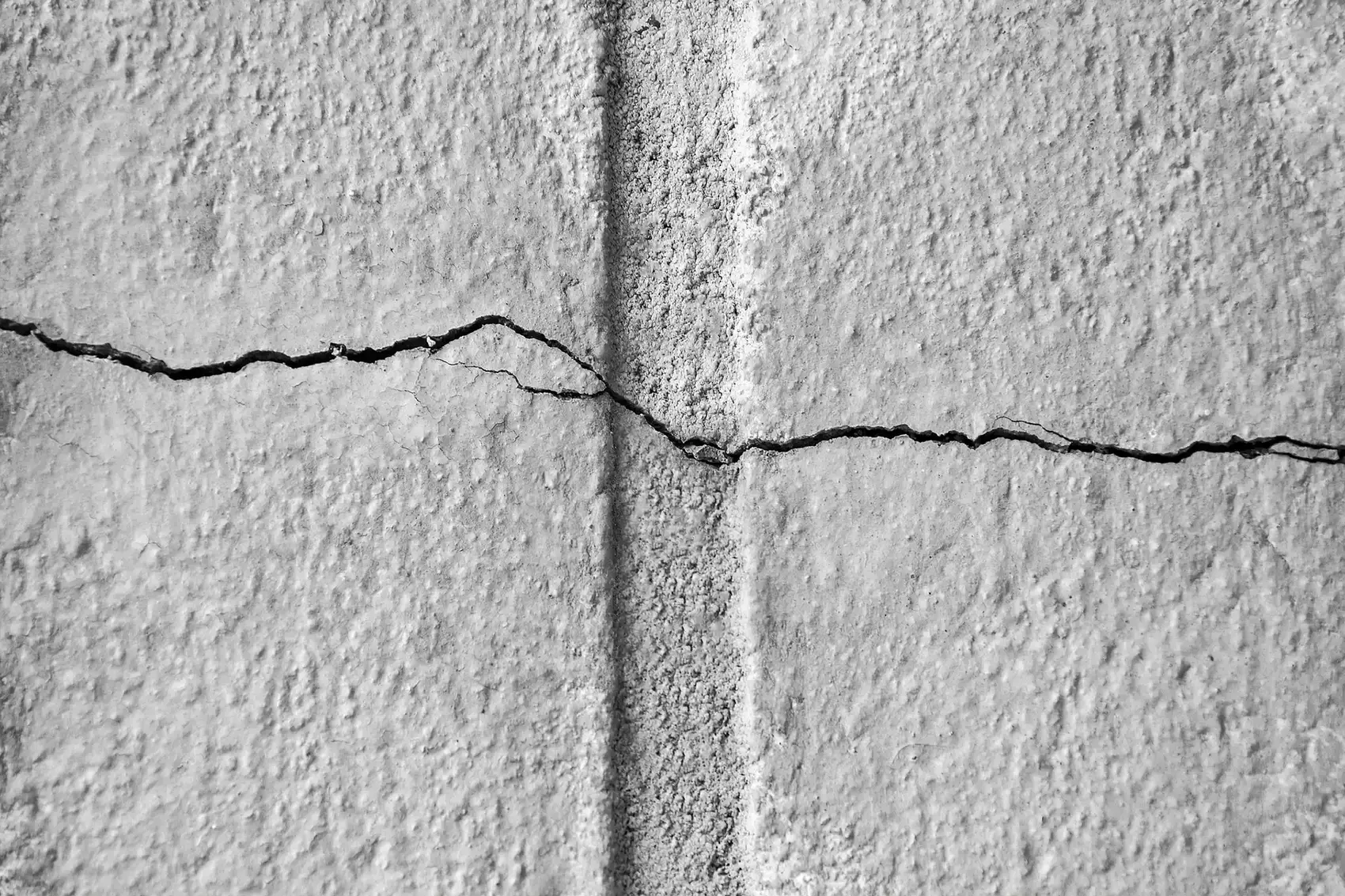
Inspect the crawl space walls for any cracks or damage to the foundation. Foundation repair can be as simple as air sealing cracks to prevent cold air from entering, but if you find damage that might compromise the structural integrity of your home, reach out to a professional.

10. Monitor the Crawl Space Throughout the Winter
Remember to check the crawl space for any signs of issues:
- Look for changes in moisture levels, especially if it has been especially rainy or the snow melts overnight. C
- Check for pest activity, or any damage that may have occurred.
FAQ
Is it okay to close crawl space vents all winter?
It depends on your climate. In very cold areas, closing vents can help prevent frozen pipes. In milder regions, keeping vents open allows air flow and reduces moisture buildup. A vent cover that can be opened or closed seasonally offers flexibility.
Should I use a vapor barrier if my crawl space already feels dry?
Yep! Even a dry crawl space can collect ground moisture over time. A vapor barrier keeps humidity low, helps insulation last longer, and protects wood framing from rot.
Can insulation trap moisture if installed wrong?
Yes. Insulation without a proper vapor barrier or sealing can hold moisture instead of blocking it. This can lead to mold, sagging insulation, or wood damage. If you see damp spots or musty smells, the insulation may need to be replaced or reinstalled correctly.
